5. Portraits
a. Environmental - This type of portrait usually shows a place that the subject likes to be in or somewhere they know well, like home or workplace, or maybe even a school.
b. Casual - This type of portrait is what we usually see where the subject(s) are the main focus of the picture.
c. Self - This type of portrait is usually a photograph of something that the photographer enjoys or needs to do, but it is always unique and fits the photographer with a passion.
-------------------------------------------------------------------------------------------------------------------------------------------------------
6. Photographic Terms
a. Exposure - The amount of light entering the lens reaching the image sensor, determined by ISO, Aperture, and Shutter Speed.
b. Depth of Field - The difference in distance between the objects in the foreground and the objects in the background of a photograph.
c. Focal Length - The distance between the lens and the image sensor of when the subject is in focus.
------------------------------------------------------------------------------------------------------------------------------------------------------
7. Magazine Covers
a. Early - This type of magazine cover would usually have drawings on them instead of photographs. And the ones that had photographs would look as if they were drawn on. it usually consisted of the title and drawing that shows the eye-catching category that will make the audience want to buy it.
b. Poster - This type of magazine would usually have a professional photograph of a subject relating to the genre of magazine, with the title and maybe a
c. Married to Text - This type of a magazine cover that has both a picture in the background, a description of the main photograph, and little texts explaining other articles that would be in the magazine.
------------------------------------------------------------------------------------------------------------------------------------------------------
Friday, December 16, 2016

Monday, December 12, 2016
Final Exam Review Part I
1. Captions
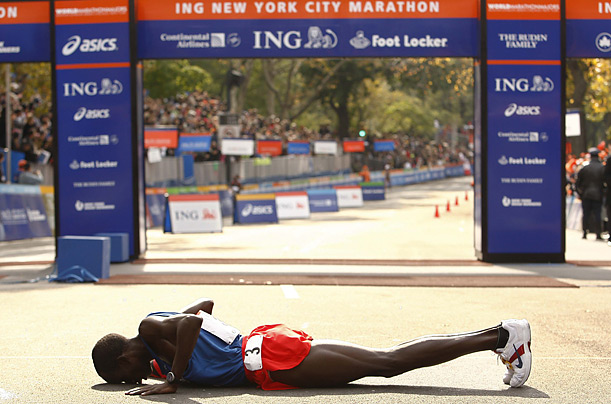
At New York City Marathon - Men's Division, winner Martin Lel kisses the ground out of joy for his victory. From Kenya, he hadn't had much hope of a victory, but after winning the 2007 marathon, he thought of a brighter future in his hopes.
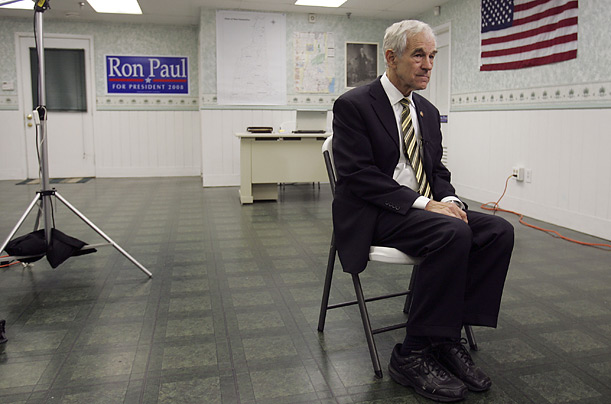
In his campaign headquarters in Concord, New Hampshire, Ron Paul takes a break from the hectic rushing of his campaign. In this presidential hopeful's mind, he might have been thinking that he would be elected for the Republican candidate, but his efforts came to no avail in the end.
--------------------------------------------------------------------------------------------------------------------------------------------
2. Rules of Photography
a. Rule of Thirds - A photography type where the main subject of the photo is to one particular side of the photo, only taking up a third of the screen.
b. Balancing Elements - A photography style where the colors or definitions/physical elements are all balanced out within the photograph, making it easier to look at.
c. Leading Lines - A photograph type where there are lines leading to the subject or lines that lead to a far away object.
d. Symmetry and Patterns ( Repetition ) - A photograph style where there are multiple objects or subjects lined up or in a similar pattern that makes a feeling of depth for the viewer.
e. Viewpoint - A photography type where the view from the camera (on target, below, or above) will help to create a sort of closeness and a better view for the viewer.
f. Background - A photography style where the background will either be plain or blurred in order to make the subject stand out more. This is used a lot when the camera is auto-focused on the subject.
g. Creating Depth - A photography type where the objects in the foreground and background will allow the viewer to mentally explore the scene, making it seem like they could step into the photograph.
h. Framing - A photography style where the subject has a natural frame around them, like vines, trees, windows, doorframes, a picture frame, etc. types of natural frames that could put the focus more onto the subject directly.
i. Cropping - A photography type where the photograph is edited and the edges are cut off, making the photograph thinner and more focused on the subject.
j. Mergers / Avoiding Mergers - A photography style where the background and subject seem as if they're connected, and a way to avoid this type of complication, you can simply change the viewpoint or move objects in the background so that the merger is avoided.
---------------------------------------------------------------------------------------------------------------------------------------------
3. Camera Settings
a. ISO - Adjusting this setting in a camera will change the amount of light that enters the sense and will help to brighten and / or darken a photograph.
b. Shutter Speed - Adjusting this setting in a camera will change the speed of the shutter of the camera, making a photo more clear and / or blurry, and will give an effect of movement if used properly.
c. Aperture - Adjusting this setting in a camera will change the size of the sense, helping determine how much light will be in the photograph.
--------------------------------------------------------------------------------------------------------------------------------------------
4. Acceptable Adjustments In Photoshop
I believe that the acceptable ethics of photoshop all really depends on who the photograph is of and what the company/photographer wishes to o with that photo. I would say that completely changing how a person looks is completely unacceptable, but tiny little adjustments such as teeth and minor changes to hair color are acceptable.
Magazine Covers
Goals For Girls - Married Style Magazine Cover

-----------------------------------------------------------------------------------------------------------------------------------------
Pipes and Waterworks - Poster Style Magazine Cover


-----------------------------------------------------------------------------------------------------------------------------------------
Pipes and Waterworks - Poster Style Magazine Cover

Saturday, December 3, 2016
The 100 Most Influential Photos of All Time
1. Iraqi Girl At Checkpoint
 My favorite picture was "Iraqi Girl At Checkpoint". The reason why I like the photos is
because it shows just how precious time and youth can be to us. However, the one that I like more would have to be Iraqi Girl At Checkpoint, just because it gives us a closer look to the horrors around the world that don't seem to think about the fact that some people actually are innocent.
What I see in this photograph is what seems to be a soldier with a gun, almost studying the bloody little crying girl beside him. She seems to be alone, and most definitely afraid of what had just happened to her.
 After reading the summary below and watching the video attached to the site, I saw that this photograph was a series of many that came out during the Iraqi war. It involves a backstory of how the photo came to be, which is actually pretty hard to hear. A family of 8 driving down a road and not stopping as the U.S Soldiers commanded them to stop, and when they didn't, the soldiers opened fire and killed the parents - thinking that they were possible suicide bombers. This was one of the first photos to truly show what was going on in the war of America vs. Iraq.
The photographer's name is Chris Honduras, born on March 14th of 1970 in New York City and he died on April 20th of 2011 in Misurata, Libya. His education was for a variety of schools and universities. According to google, he went to Terry Stanford High School in Fayetteville, North Carolina before going to North Carolina State University. After finishing school there, he went to Ohio University.
---------------------------------------------------------------------------------------------------------------------------------------------------
2. Milk Droplet Coronet

The reason I chose this photo was because of the perfect timing that was used to get this shot. It would probably take me a hundred shots before I could get this, which shows that they either are a great photographer or they have have an extreme amount of patience.
Theres much to say about this photo, because it's exactly what it looks like. It's a droplet of milk that when hitting the red hard surface below it, splashed to look almost like a crown.

The little summary underneath he photo on the website says that this was an experiment for a timer on a camera that the photographer had made himself. This was considered to be the revolutionary stop-motion photograph that helped to lead to the camera flash. Apparently he had worked for years to try and perfect this, and whenever he did, he couldn't believe it.
His name is Harold Edgerton, born on April 6th of 1903 and he died on January 4th of 1990. Throughout his life he wrote many books and he is known for inventing the stroboscope, also known as the flash in the camera. Edgerton's education began at university of Nebraska-Lincoln and moved own to Massachusettes Institute of Technology.
---------------------------------------------------------------------------------------------------------------------------------------------------
3. The Pillow Fight
 The reason I believe that I liked this photo so much, was because I absolutely loved the band The Beatles when I was younger, and it creates such a happy an excited atmosphere that just makes you want to smile.
What I can tell about the boys from their expressions and what is going on, I can conclude that all of the boys from the band are extremely excited, probably from hearing some good news or just having a safe flight, but you can tell that there is no way that these boys could be happier at the moment this photograph was taken.
 Given the information tagged to the picture on the website, the photographer really didn't want to be covering the story but whenever he met the boys he didn't want to ever leave their perky, cocky and happy personalities. The moment that occurred in the photo was because they had just found out the their song "I Want To Hold Your Hand" had hit the No. 1 in the music charts.
Harry Benson was a famous, and for the most part, a serious photographer who cared very deeply about his career. He was born and December 2nd of 1929 and is still alive today. He has written many books and has had many accomplishments in his life to win him such an award as "The Press Photo Award For People in the News".
----------------------------------------------------------------------------------------------------------------------------------------------
4. Behind Closed Doors

This photograph really stood out to me because it got me thinking about how little we know or do for people in homes experiencing domestic violence. It is a horrible issue that we as not only a nation, but a race, should trying our best to put an end to.

In the picture, the scene that seems to be unfolding is what looks like a fist fight, between what I can only assume is a couple, and the woman getting unexpectedly punched or slapped in the face by the male in the situation.
The photographer of this series of photos called "Domestic Violence" is Donna Ferrato. She is famous for this particular series of photos because of the amount of graphic content being shown and because how insightful and informative to all of us about just how bad some cases of domestic violence can be. She was born on June 5th of 1949 in the city of Waltham, Massachusetts, and she is still alive today.
----------------------------------------------------------------------------------------------------------------------------------
5. Mushroom Cloud Over Nagasaki

 The reason I chose this photograph is because I love how it looks, but it also reminds us of the bombing we did. Reminds us of what we've done that only ruined the lives of others to benefit ourselves. It shows the selfishness that we held in our hearts that we've tried to cover up and ignore. The situation that was captured in this photo is obviously the after effects of a bombing on Nagasaki, Japan.
Lieutenant Charles Levy captured this photo in 1945 during World War II. He was born on October 6th of 1918 and he died later in his life on November 14th, 1997 in Philadelphia. Not much information besides that I had provided could be found on him.
My favorite picture was "Iraqi Girl At Checkpoint". The reason why I like the photos is because it shows just how precious time and youth can be to us. However, the one that I like more would have to be Iraqi Girl At Checkpoint, just because it gives us a closer look to the horrors around the world that don't seem to think about the fact that some people actually are innocent.
What I see in this photograph is what seems to be a soldier with a gun, almost studying the bloody little crying girl beside him. She seems to be alone, and most definitely afraid of what had just happened to her.
 After reading the summary below and watching the video attached to the site, I saw that this photograph was a series of many that came out during the Iraqi war. It involves a backstory of how the photo came to be, which is actually pretty hard to hear. A family of 8 driving down a road and not stopping as the U.S Soldiers commanded them to stop, and when they didn't, the soldiers opened fire and killed the parents - thinking that they were possible suicide bombers. This was one of the first photos to truly show what was going on in the war of America vs. Iraq.
The photographer's name is Chris Honduras, born on March 14th of 1970 in New York City and he died on April 20th of 2011 in Misurata, Libya. His education was for a variety of schools and universities. According to google, he went to Terry Stanford High School in Fayetteville, North Carolina before going to North Carolina State University. After finishing school there, he went to Ohio University.
---------------------------------------------------------------------------------------------------------------------------------------------------
2. Milk Droplet Coronet

The reason I chose this photo was because of the perfect timing that was used to get this shot. It would probably take me a hundred shots before I could get this, which shows that they either are a great photographer or they have have an extreme amount of patience.
Theres much to say about this photo, because it's exactly what it looks like. It's a droplet of milk that when hitting the red hard surface below it, splashed to look almost like a crown.

The little summary underneath he photo on the website says that this was an experiment for a timer on a camera that the photographer had made himself. This was considered to be the revolutionary stop-motion photograph that helped to lead to the camera flash. Apparently he had worked for years to try and perfect this, and whenever he did, he couldn't believe it.
His name is Harold Edgerton, born on April 6th of 1903 and he died on January 4th of 1990. Throughout his life he wrote many books and he is known for inventing the stroboscope, also known as the flash in the camera. Edgerton's education began at university of Nebraska-Lincoln and moved own to Massachusettes Institute of Technology.
---------------------------------------------------------------------------------------------------------------------------------------------------
3. The Pillow Fight

What I can tell about the boys from their expressions and what is going on, I can conclude that all of the boys from the band are extremely excited, probably from hearing some good news or just having a safe flight, but you can tell that there is no way that these boys could be happier at the moment this photograph was taken.
Given the information tagged to the picture on the website, the photographer really didn't want to be covering the story but whenever he met the boys he didn't want to ever leave their perky, cocky and happy personalities. The moment that occurred in the photo was because they had just found out the their song "I Want To Hold Your Hand" had hit the No. 1 in the music charts.Harry Benson was a famous, and for the most part, a serious photographer who cared very deeply about his career. He was born and December 2nd of 1929 and is still alive today. He has written many books and has had many accomplishments in his life to win him such an award as "The Press Photo Award For People in the News".
----------------------------------------------------------------------------------------------------------------------------------------------
4. Behind Closed Doors

This photograph really stood out to me because it got me thinking about how little we know or do for people in homes experiencing domestic violence. It is a horrible issue that we as not only a nation, but a race, should trying our best to put an end to.

In the picture, the scene that seems to be unfolding is what looks like a fist fight, between what I can only assume is a couple, and the woman getting unexpectedly punched or slapped in the face by the male in the situation.
The photographer of this series of photos called "Domestic Violence" is Donna Ferrato. She is famous for this particular series of photos because of the amount of graphic content being shown and because how insightful and informative to all of us about just how bad some cases of domestic violence can be. She was born on June 5th of 1949 in the city of Waltham, Massachusetts, and she is still alive today.
----------------------------------------------------------------------------------------------------------------------------------
5. Mushroom Cloud Over Nagasaki
The reason I chose this photograph is because I love how it looks, but it also reminds us of the bombing we did. Reminds us of what we've done that only ruined the lives of others to benefit ourselves. It shows the selfishness that we held in our hearts that we've tried to cover up and ignore. The situation that was captured in this photo is obviously the after effects of a bombing on Nagasaki, Japan.Lieutenant Charles Levy captured this photo in 1945 during World War II. He was born on October 6th of 1918 and he died later in his life on November 14th, 1997 in Philadelphia. Not much information besides that I had provided could be found on him.
Wednesday, November 30, 2016
Portait and Self-Portrait Photos


Friday, November 18, 2016
Prompt Shoot #3
Numbers


-------------------------------------------------------------------------------------------------------------------------------------------------------
Edge

-------------------------------------------------------------------------------------------------------------------------------------------------------
Circle

-------------------------------------------------------------------------------------------------------------------------------------------------------
Small

-------------------------------------------------------------------------------------------------------------------------------------------------------
Wednesday, November 16, 2016
Photoshopping in Fashion
1. The changes made to her face through photoshop was;
- the enlargement of the eyes
- elongation of the neck
- thinning of the face and the neck
- the enlargement of the lips.
2. The changes made to the model's body in this photoshoot through photoshop was;
- "beautification" of the face and body
- the elongation of the legs, neck and face
- thinning of the back and stomach
- the enlargement of her feet, breasts and bottom
- the lightening of her skin
3. The changes to the model's body in this photo through photoshop was;
- extreme thinning of the model's body (arms, legs, torso, bottom, face)
- elongation and thinning of the neck, face and legs
- adding more hair towards her farther shoulder from the camera
4. I believe that it should only be ethical to photoshop somebody's photo if they give you 100% permission to alter and adjust their photo. an if they don't give you the permission to change their photo, then just make tiny adjustments to make the photo more appealing, not to make it seem alienatedly perfect.
5. Yes, like if someone was near perfect and you just felt that you HAD to make them even skinner, then that would be even more ethically wrong than just adjusting a photo to look just the slightest bit appealing. Or maybe making someone who is naturally skinny, fat.
6. I believe that changes to the teeth, eye color, stomach fat, and other small edits are acceptable unless wanted by the model/subject. However, other photoshopped parts of the body that I believe should be left alone should be the breasts, bottom, face, and skin color.
7. I believe that photojournalism is about finding and reporting news or an interesting subject that someone had found. Photojournalism has a wider variety of what kinds of photos you can have on a blog, or article. Fashion is usually of one specific category, whether it be bathing suits or dresses to shoes, it all relates to that one main category. I believe that fashion is basically a radicalization area about how great people can look by making you feel nervous and anxious about how people see your body.
8. Photography plays a large role in how we see people, events, and places all over the world. Landscape Photography helps us to think about if we want to travel to there sometime in our lifetime. Portrait and Self-Portrait Photography help us get an insight as to how a person may think or see themselves. All of these types of photography help us to think about the positive and negative effects that we have on the environment and in the social society that we create. This always makes us see what we do and makes us snap from our own personal worlds into the backhand slap of reality.
9. I believe that Mr. Reeves is showing us these videos of these girls being photoshopped for advertisements because it happens every day all over the world. I also think that we might be doing this soon in our class - Possibly for our portrait and self-portrait photoshoots.
10. I believe that none of these videos are about guys because most male models probably don't have to go through so much in order for their photoshoots.
Monday, November 14, 2016
5 Websites
10 Photography Resolutions for the New Year
Summary -
 This website consist of the photographer, Jenna Martin, seeking feedback her photos of her subjects doing things that relate to things she wants to do in the new year. The photos in this website are of a widely based variety, from natural to photoshopped, but each is better than the last. My favorite photograph on this website is either the portrait of #2: Get Organized or #9: Print More Photos. However, out of those two above, I believe that I relate to #2: Get Organized, more.
Link - http://petapixel.com/2014/12/31/10-photography-resolutions-new-year/
----------------------------------------------------------------------------------------------------------------------------------------------------------------------------------------------------------------------------------------------------
6 Types of Photos Every Photographer Should Know How to Make
Summary-
 The content of this website is basically telling future photographers which types of photos they need to know how to take before trying to make it big. Some of which consist of; Fake Tilt and Shift, Forced Perspective, Long Exposure Landscape, Digital Infrared, Double Exposure Portrait, and 360 Degree Polar Panorama. Something new that I learned from reading through this website article is that to create a 360 Degree Polar Panorama you have to take a series of photos and th
en stitch together the software you gathered.
Questions -
a. Why did you pick this photo?
I chose this photo because it's the only one I didn't already know how to do. Plus, I've always liked to see how these types of photos turned out.
b. What rule(s) of photography did you see in the photo?
A few rule(s) of photography that I saw in the photo is Rule of Thirds, and Avoiding Mergers.
c. Who took the photo?
The author of the website article took the photo, Jeff Meyer.
Link - http://petapixel.com/2014/12/01/6-types-photos-know-make/
----------------------------------------------------------------------------------------------------------------------------------------------------------------------------------------------------------------------------------------------------
The Disorienting Beauty of Spiral Staircases in Old Abandoned Buildings
Summary -
 This website article is about the old spiral or regular staircases in abandoned buildings, photographed by a man named Christian Richter, an architecture photographer in the small town in Germany. Something else that I noticed in these photographs that I liked, was the fact that some of the staircases were deteriorating in specific places, so he was putting his life on the line for his photography.
Questions -
a. Why did you pick this photo?
I picked this photo because I like how it looks as if the staircase keeps going lower and lower into the darkness of the unknown.
b. What rule(s) of photography did you see in the photo?
A few rule(s) of photography that I saw in this photographs Repetition and Simplicity.
c. Who took the photo?
The photographer of the photo to the right was Christian Richter, an architecture photographer who specializes in the photography of older, mostly abandoned buildings.
Link - http://petapixel.com/2014/12/19/disorienting-beauty-spiral-staircases-old-abandoned-buildings/
----------------------------------------------------------------------------------------------------------------------------------------------------------------------------------------------------------------------------------------------------
What Makes a Killer Timelapse, with Joe Capra
Summary -
In the video, I saw many different timelapses all over the city of Rio de Janeiro. As this happened, the video showed mostly the movement of water, clouds, people, and other vehicular transport. This interested me because I loved the quality of the video, the subjects the photographer decided to use, and the placement of the camera.

Questions -
a. Describe what you saw in the video.
What I saw in the video was described in the summary above. But a few other things that I saw in the video was a great example of Camera Placement, or Perspective.
b. Try to figure out who made the video. If it was a photographer, look them up on Google and see if you can learn more about them.
The videographer of the timelapse video was author of the website article, Joe Capra. This photographer/videographer usually does hard-to-capture moments of photographer out in the wilderness where he is out, surviving more than living.
c. If there is a story about the video on the website, paraphrase it in 2-3 sentences.
The only story I can seem to pick up from the series of timelapse videos is that they are from a variety of different places around Rio de Janeiro, Brazil.
d. What did you learn new?
Something that I learned from the video and article relating to the timelapses captured by Joe Capra, is that the placement and actions happening in the timelapse make it all that much better than some other, regular timelapse.
Link - http://blog.ted.com/how-to-create-a-killer-timelapse-with-joe-capra/
----------------------------------------------------------------------------------------------------------------------------------------------------------------------------------------------------------------------------------------------------
The Quality of Light
Summary -
 Throughout the entire reading of this article, it talks about how Side Lighting, Backlighting, Silhouetting, Translucence, Front Lighting, Even Lighting, Mid-Day Lighting, The Golden Hour Lighting, and Color Temperature can effect the quality and boldness of photograph.
Questions -
a. Why did you pick this photo?
I chose this photo because of the beautiful colors that blend with one another and seem to stand out around the rest of the photographs that I'd seen.
b. What rule(s) of photography did you see in this photo?
A few rules of photography I found in this photograph were Avoiding Mergers and Silhouetting.
c. Who took the photo?
The photographer for the photo is Ikea Anba.
Link - https://photographylife.com/the-quality-of-light#more-135929
Summary -
 This website consist of the photographer, Jenna Martin, seeking feedback her photos of her subjects doing things that relate to things she wants to do in the new year. The photos in this website are of a widely based variety, from natural to photoshopped, but each is better than the last. My favorite photograph on this website is either the portrait of #2: Get Organized or #9: Print More Photos. However, out of those two above, I believe that I relate to #2: Get Organized, more.
Questions -
a. Why did you pick this photo?
picked this photo because it's one of the few that stood out to me. Plus, I love the way that the lighting behind the subject illuminates the scenery surrounding the background.
b. What rules of photography do you see in the photo?
The photography rule(s) that I see in this picture are Avoiding Mergers and Simplicity.
c. Who took the photo?
The photographer was the author of the website article, Jenna Martin.
Link - http://petapixel.com/2014/12/31/10-photography-resolutions-new-year/
----------------------------------------------------------------------------------------------------------------------------------------------------------------------------------------------------------------------------------------------------
6 Types of Photos Every Photographer Should Know How to Make
 The content of this website is basically telling future photographers which types of photos they need to know how to take before trying to make it big. Some of which consist of; Fake Tilt and Shift, Forced Perspective, Long Exposure Landscape, Digital Infrared, Double Exposure Portrait, and 360 Degree Polar Panorama. Something new that I learned from reading through this website article is that to create a 360 Degree Polar Panorama you have to take a series of photos and th
en stitch together the software you gathered.
Questions -
a. Why did you pick this photo?
I chose this photo because it's the only one I didn't already know how to do. Plus, I've always liked to see how these types of photos turned out.
b. What rule(s) of photography did you see in the photo?
A few rule(s) of photography that I saw in the photo is Rule of Thirds, and Avoiding Mergers.
c. Who took the photo?
The author of the website article took the photo, Jeff Meyer.
Link - http://petapixel.com/2014/12/01/6-types-photos-know-make/
----------------------------------------------------------------------------------------------------------------------------------------------------------------------------------------------------------------------------------------------------
The Disorienting Beauty of Spiral Staircases in Old Abandoned Buildings
Summary -
 This website article is about the old spiral or regular staircases in abandoned buildings, photographed by a man named Christian Richter, an architecture photographer in the small town in Germany. Something else that I noticed in these photographs that I liked, was the fact that some of the staircases were deteriorating in specific places, so he was putting his life on the line for his photography.
Questions -
a. Why did you pick this photo?
I picked this photo because I like how it looks as if the staircase keeps going lower and lower into the darkness of the unknown.
b. What rule(s) of photography did you see in the photo?
A few rule(s) of photography that I saw in this photographs Repetition and Simplicity.
c. Who took the photo?
The photographer of the photo to the right was Christian Richter, an architecture photographer who specializes in the photography of older, mostly abandoned buildings.
Link - http://petapixel.com/2014/12/19/disorienting-beauty-spiral-staircases-old-abandoned-buildings/
----------------------------------------------------------------------------------------------------------------------------------------------------------------------------------------------------------------------------------------------------
What Makes a Killer Timelapse, with Joe Capra
Summary -
In the video, I saw many different timelapses all over the city of Rio de Janeiro. As this happened, the video showed mostly the movement of water, clouds, people, and other vehicular transport. This interested me because I loved the quality of the video, the subjects the photographer decided to use, and the placement of the camera.

Questions -
a. Describe what you saw in the video.
What I saw in the video was described in the summary above. But a few other things that I saw in the video was a great example of Camera Placement, or Perspective.
b. Try to figure out who made the video. If it was a photographer, look them up on Google and see if you can learn more about them.
The videographer of the timelapse video was author of the website article, Joe Capra. This photographer/videographer usually does hard-to-capture moments of photographer out in the wilderness where he is out, surviving more than living.
c. If there is a story about the video on the website, paraphrase it in 2-3 sentences.
The only story I can seem to pick up from the series of timelapse videos is that they are from a variety of different places around Rio de Janeiro, Brazil.
d. What did you learn new?
Something that I learned from the video and article relating to the timelapses captured by Joe Capra, is that the placement and actions happening in the timelapse make it all that much better than some other, regular timelapse.
Link - http://blog.ted.com/how-to-create-a-killer-timelapse-with-joe-capra/
----------------------------------------------------------------------------------------------------------------------------------------------------------------------------------------------------------------------------------------------------
The Quality of Light
Summary -

Questions -
a. Why did you pick this photo?
I chose this photo because of the beautiful colors that blend with one another and seem to stand out around the rest of the photographs that I'd seen.
b. What rule(s) of photography did you see in this photo?
A few rules of photography I found in this photograph were Avoiding Mergers and Silhouetting.
c. Who took the photo?
The photographer for the photo is Ikea Anba.
Link - https://photographylife.com/the-quality-of-light#more-135929
Monday, November 7, 2016
Magazine Cover Preview #4 - Magazines Part II
1. Image Based - In "Image Based" magazine covers, the majority of the cover will be a photo of a subject or person covered in the magazine These kinds of covers I would say are most often used for a large variety of the magazine covers that can be found all over the world. Some examples are Cosmopolitan, New York, and Brides.
--------------------------------------------------------------------------------------------------------------------------
2. Illustration Based - These types of magazine covers are almost the same as the "image based" covers, but instead of having real subjects, these are usually hand-drawn or computer animated. These are used in most kinds of smaller magazines or comics.
--------------------------------------------------------------------------------------------------------------------------
3. Type Based - "Type Based" magazine covers are basically a bland solid background with a large title that takes up the majority of the space with maybe a small illustration / image snuck into the mix to fill some extra space.
--------------------------------------------------------------------------------------------------------------------------
4. Concept Based - These can be a mix of the upper three combined or they can be a representation of a strong message. Usually, these "Concept Based" magazine covers are used for food magazines or maybe some celebrity magazines.
Magazine Cover Preview #3 - My Favorite Cover

The New York Times Magazine, October 6, Harry Who?
Photographer: Richard Burbridge
Designer: Arem Duplessis- "This classic Richard Burbridge portrait of Danielle Radcliffe, shot in his trademark heightened black-and-white style, reveals a grown-up Radcliffe not yet at ease with his fame. The extended ascenders and descenders in the typography reference the Harry Potter logo and also serve as a framing device for the image."
--------------------------------------------------------------------------------
Being a kid who absolutely loved reading and re-reading the Harry Potter series, I couldn't be more happy to see that Danielle Radcliffe was in one of these covers. This one really stuck out to me in the fact that I haven't seen him in too many films or magazines lately - but being reminded of him really seems to bring up old movies from childhood. However, just as much as I love the model / subject of this shoot, I also have noticed a few flaws that seem to lessen the greater qualities of the cover. A few being; The summary seems to not be shown as much in the photo ( if I had seen the photo without the description, I probably wouldn't have understood the cover completely. The exposure and lighting seem to be well done in this photo, but it would be better if the photo would have included a slightly lower ISO and if he was doing a little more action.
Magazine Cover Preview #2 - Best Magazine Covers 2013
1. Formal
2. Informal
3. Environmental
4. Formal
5. Environmental
6. Environmental
7. Environmental
8. Informal / Environmental
9. Informal
10. Informal / Environmental
11. Informal
12. Formal
13. Informal / Environmental
14. Formal
15. Formal
16. Formal
17. Environmental
2. Informal
3. Environmental
4. Formal
5. Environmental
6. Environmental
7. Environmental
8. Informal / Environmental
9. Informal
10. Informal / Environmental
11. Informal
12. Formal
13. Informal / Environmental
14. Formal
15. Formal
16. Formal
17. Environmental
Magazine Cover Preview #1 - Magazine Tips
Five things I believe I will have on my magazine cover that are listed in the article from the Bowie Photojournalism Blog are; familiar recognition from issue to issue (the brand), emotionally irresistible (appealing images), arousing curiosity (catch peoples attention), intellectually simulating (make it look interesting to a variety of viewers), and make it efficient (fast, easy to scan through).
Friday, November 4, 2016
My Portrait Project - Ideas and Planning
I will probably either one of my friends or family members. If it's my friend, I'll shoot my best friend, Brooke Everette. However, if I decide to shoot one of my family members, it will probably be either my sister, Katy, or my stepmother, Susan. I'll probably shoot in the bluebonnet field downtown or maybe up on enchanted rock or maybe even in the greenbelt - but definitely someplace evolving a natural background with natural lighting. To make the shot successful, I'll use the proper tools to get the perfect photograph possible - Adjust the ISO, Shutter Speed, etc., to and ensure that the lighting in the foreground/background is perfect. With all that combined, I don't think I you;don't take the perfect photo.
Self-Portraits

This first photograph shows the subject in what seems to be the center of a pond or small body of water, sitting on a rock as she looks to the left, down into the water, at something. I like this self-portrait because of it's creative background use and mood that it gives off. Very calm and pleasing to the eye.
 This second photograph is beautiful because her grace and posture help to give an insight to the viewer of the photograph just how "perfect" the stance must be in order to be considered for anything greater than a measly competition. As the subject stands on the tips of her toes, she holds her arms outstretched above her head to make her body straighter for a more accurate stance. Brava.
Casual Portraits

In this first photograph, the subject stands before a seemingly destroyed building while smoking a cigarette. I chose to use this one because of the confide
nce that she seemed to have while she stood and posed for the picture, It really gives some insight into how she possibly lives her life.

This second photograph, where the subject is blowing a bubble with what I would expect to be bubble gum, she looks so happy and cheerful - something that some people can struggle to gain - and I think it lights up a sort of gloomy atmosphere. That's why I chose it as my second casual portrait.
Environmental Portraits

This first photo is a great photo for an Environmental Portrait because of the setting and the fact that the photograph itself just seems to feel natural - as if it weren't planned and it was just taken in the heat of the moment. However, at the same time, the lighting greatly compliments the photograph and the trainer (person grooming the horse) seems completely at peace, which makes me like it even more.
 This second photograph is little more upsetting because of the setting, but I enjoy the mood of it showing that even though they may have it tough, the subjects have learned to properly live and thrive in the darker parts of the city. I also like how the subject is looking into the camera, almost as if he was trying to look through the lens of the camera and into the souls of the observers.
Self Portraits and Portraits - Part I

--------------------------------------------------------------------------------------------------------------------------

--------------------------------------------------------------------------------------------------------------------------

--------------------------------------------------------------------------------------------------------------------------
Wednesday, November 2, 2016
American Soldier
A. What is the most powerful image from the pictures printed in the Denver Post over the three weeks they published images from the year coverage?
One of the most powerful images, in my opinion was either one of the following; Down and Dirty or A Father's Concern.
B. How do the images work together to tell a story?
The photos work together to tell a story because of the organization and order, not to mention that they're all based around him and his life as he went through his career in the U.S Army.
C. How do the captions enhance the photographs?
The captions enhance the "quality" or more, the importance of the photos are enhanced by the captions because it gives us a deeper understand of who is in the photo and what is going on in it.
D. Summarize the the story of Ian Fisher, based on just the captions.
The story of Ian Fisher begins at his high school gradation, where he almost immediately goes off to see if he is eligible to be recruited into the U.S Army. Afterwards, he goes in for a medical exam where they give him the a-okay. After the second all day of training, he gets his first injury which makes him fear of being kicked out - However, after he talks to one of the Drill Sergants, he realizes that he wants to fight for his country. So, he continues to fight for this country as well as handling his injuries both mentally, emotionally, and physically. After completing his basic training - also known to some cadets as "red zone" - he gets the crossed-rifles pin. He moves back with his father on the weekends, which soon causes his father to grow overly concerned and his father makes him move down closer to the training base. His mother's birthday present from him before he gets deployed is him getting baptized, and Teri, his mother, says she couldn't be more happy. Then, after fighting abroad in Iraq, he returns to his home country where he goes to court and marries his at-the-time girlfriend, Devin.
E. For the photos in which Ian is the main subject of the photo(s), in what tense are the verbs usually written?
It is usually present tense, with "he, him" pronouns.
F. Break down the captions;
1 - How many sentences are there on average?
On an average, I would say that theres two or three sentences, but some even only contain one sentence in the caption.
2 - Read the first sentence of a couple of them, what information do they provide?
The first sentence usually includes the date and person, and sometimes even includes the actions of the subject(s) in the photo.
3 - Read the second sentence of a couple of them, what information do they provide?
The second sentence, if the first one didn't say it, usually includes the action(s) happening in the photo, or if that was already stated, includes a quote and some other extra information.
4 - Is there is a third sentence, what information does it provide?
If there is a third sentence, it almost always is just an extra sentence of information about the action(s) or person(s) in the photo, but it will sometimes also include a quote.
5 - Do any of the captions include a quote?
Yes, there are in fact a few that have a quote embedded into the caption beside/underneath the photo.
6 - Are there any that have four sentences? I so, how many?
Throughout the entire story of photos and captions, I could only find about two or three photos with a caption that was longer than three sentences.
G. Why do you think it is possible to tell a complete story with just the photos and captions?
I thin k that it is possible to tell a complete story with just photos and captions because if you have and give enough information in the captions or you think can see exactly what is happening in the photo, then you wouldn't need a whole extra story behind it. However, sometimes having an extra backstory behind the photos and captions can help the reader comprehend more of what is going on.
H. If you can create a story with just photos and captions, why bother with the story at all?
Some people like to read more into stories like this, feeling like the photos and captions wouldn't be enough information provided. But, most others would believe that the detailed captions and specific photos, that you would be able to understand this story without the background writing behind it all.
One of the most powerful images, in my opinion was either one of the following; Down and Dirty or A Father's Concern.
B. How do the images work together to tell a story?
The photos work together to tell a story because of the organization and order, not to mention that they're all based around him and his life as he went through his career in the U.S Army.
C. How do the captions enhance the photographs?
The captions enhance the "quality" or more, the importance of the photos are enhanced by the captions because it gives us a deeper understand of who is in the photo and what is going on in it.
D. Summarize the the story of Ian Fisher, based on just the captions.
The story of Ian Fisher begins at his high school gradation, where he almost immediately goes off to see if he is eligible to be recruited into the U.S Army. Afterwards, he goes in for a medical exam where they give him the a-okay. After the second all day of training, he gets his first injury which makes him fear of being kicked out - However, after he talks to one of the Drill Sergants, he realizes that he wants to fight for his country. So, he continues to fight for this country as well as handling his injuries both mentally, emotionally, and physically. After completing his basic training - also known to some cadets as "red zone" - he gets the crossed-rifles pin. He moves back with his father on the weekends, which soon causes his father to grow overly concerned and his father makes him move down closer to the training base. His mother's birthday present from him before he gets deployed is him getting baptized, and Teri, his mother, says she couldn't be more happy. Then, after fighting abroad in Iraq, he returns to his home country where he goes to court and marries his at-the-time girlfriend, Devin.
E. For the photos in which Ian is the main subject of the photo(s), in what tense are the verbs usually written?
It is usually present tense, with "he, him" pronouns.
F. Break down the captions;
1 - How many sentences are there on average?
On an average, I would say that theres two or three sentences, but some even only contain one sentence in the caption.
2 - Read the first sentence of a couple of them, what information do they provide?
The first sentence usually includes the date and person, and sometimes even includes the actions of the subject(s) in the photo.
3 - Read the second sentence of a couple of them, what information do they provide?
The second sentence, if the first one didn't say it, usually includes the action(s) happening in the photo, or if that was already stated, includes a quote and some other extra information.
4 - Is there is a third sentence, what information does it provide?
If there is a third sentence, it almost always is just an extra sentence of information about the action(s) or person(s) in the photo, but it will sometimes also include a quote.
5 - Do any of the captions include a quote?
Yes, there are in fact a few that have a quote embedded into the caption beside/underneath the photo.
6 - Are there any that have four sentences? I so, how many?
Throughout the entire story of photos and captions, I could only find about two or three photos with a caption that was longer than three sentences.
G. Why do you think it is possible to tell a complete story with just the photos and captions?
I thin k that it is possible to tell a complete story with just photos and captions because if you have and give enough information in the captions or you think can see exactly what is happening in the photo, then you wouldn't need a whole extra story behind it. However, sometimes having an extra backstory behind the photos and captions can help the reader comprehend more of what is going on.
H. If you can create a story with just photos and captions, why bother with the story at all?
Some people like to read more into stories like this, feeling like the photos and captions wouldn't be enough information provided. But, most others would believe that the detailed captions and specific photos, that you would be able to understand this story without the background writing behind it all.
Monday, October 31, 2016
Photoshopped Images

--------------------------------------------------------------------------------------------------------------------------

--------------------------------------------------------------------------------------------------------------------------

Rules of Photography - Part II ( Subject - Violins )
Rule of Thirds

--------------------------------------------------------------------------------------------------------------------------
Balancing Elements

--------------------------------------------------------------------------------------------------------------------------
Leading Lines

--------------------------------------------------------------------------------------------------------------------------
Symmetry and Patterns ( Repetition )

--------------------------------------------------------------------------------------------------------------------------
Viewpoint

--------------------------------------------------------------------------------------------------------------------------
Background

--------------------------------------------------------------------------------------------------------------------------
Creating Depth

--------------------------------------------------------------------------------------------------------------------------
Framing

--------------------------------------------------------------------------------------------------------------------------
Cropping

--------------------------------------------------------------------------------------------------------------------------
Avoiding Mergers


--------------------------------------------------------------------------------------------------------------------------
Balancing Elements
--------------------------------------------------------------------------------------------------------------------------
Leading Lines
--------------------------------------------------------------------------------------------------------------------------
Symmetry and Patterns ( Repetition )

--------------------------------------------------------------------------------------------------------------------------
Viewpoint
--------------------------------------------------------------------------------------------------------------------------
Background

--------------------------------------------------------------------------------------------------------------------------
Creating Depth
--------------------------------------------------------------------------------------------------------------------------
Framing

--------------------------------------------------------------------------------------------------------------------------
Cropping

--------------------------------------------------------------------------------------------------------------------------
Avoiding Mergers
Subscribe to:
Comments (Atom)